Why Kids Can't Stop Watching Shorts, TikTok & Reels
For many parents, the scene is familiar.
A child picks up their phone to watch "just one video." Twenty minutes later, they're still scrolling. An hour passes, homework is delayed, bedtime slips later, and asking them to put the phone away often leads to frustration or conflict.
Platforms like TikTok, YouTube Shorts, Instagram Reels, Facebook Reels, and Snapchat Spotlight are designed to make watching feel effortless. Their endless feeds, personalized recommendations, and short videos keep users engaged in ways that can make stopping difficult, even for adults.
This doesn't mean every child who watches short-form videos is addicted. But understanding how these platforms work can help parents create healthier digital habits while avoiding unnecessary power struggles.
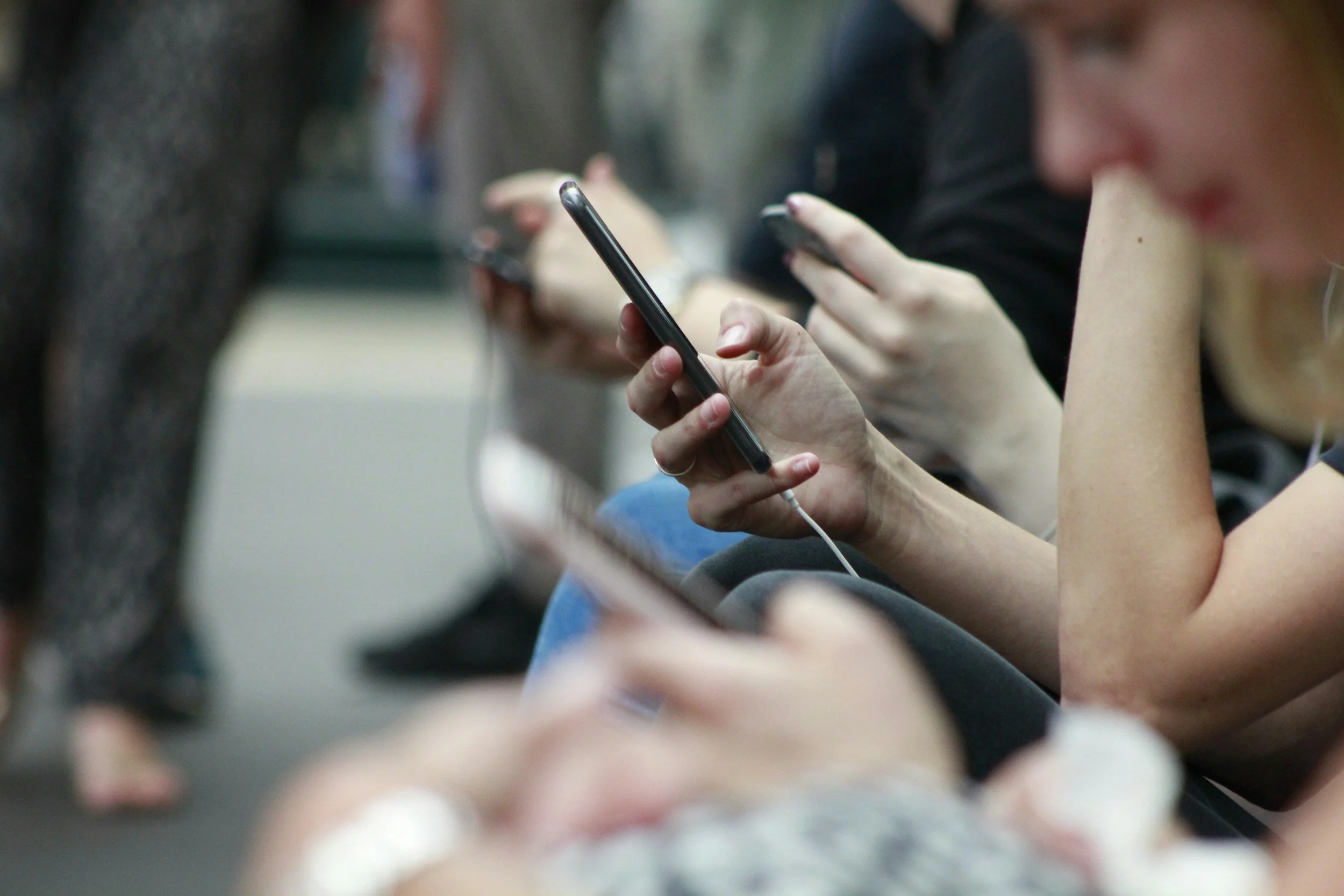
Why Are Shorts, TikTok & Reels So Hard to Stop Watching?
Unlike television, short-form video platforms never really end.
Each swipe immediately loads another video based on what the platform thinks your child wants to see next.
Instead of asking, "What should I watch?" the algorithm makes that decision automatically.
Researchers have long studied variable rewards, unpredictable rewards that encourage people to repeat a behavior. It's the same psychological principle used in slot machines. Sometimes the next video is funny, sometimes surprising, sometimes emotional, and sometimes educational. Because users never know what comes next, they keep scrolling.
According to TikTok's official newsroom, its recommendation system learns from every interaction, including what users watch, skip, replay, like, comment on, and share, to personalize the "For You" feed.
How Recommendation Algorithms Keep Kids Watching
Many parents believe their child chooses what they watch.
In reality, recommendation algorithms make many of those choices.
Every interaction teaches the platform something:
How long your child watches a video
Which videos they replay
What makes them laugh
Which creators they follow
What they search for
What they skip
Over time, the feed becomes increasingly personalized, making it more difficult to stop because nearly every video feels relevant or entertaining.
Platforms use this personalization to increase engagement, not necessarily to prioritize what's healthiest for young users.
Can Endless Scrolling Affect Attention?
Children's brains are still developing.
Short-form videos move quickly, often changing scenes every few seconds while combining music, captions, visual effects, and fast-paced editing.
For some children, this constant stimulation may make slower-paced activities, such as reading, homework, or classroom learning, feel less interesting by comparison.
Research in this area is ongoing. While scientists have not concluded that short-form video directly causes attention disorders, studies have found that heavy social media use may be associated with reduced attention, emotional regulation challenges, and lower academic performance for some adolescents.
The American Psychological Association (APA) advises that social media's effects vary by child, but recommends protecting sleep, physical activity, and healthy offline relationships.
How Short-Form Videos Can Affect Sleep
One of the biggest concerns isn't simply screen time; it's when children are scrolling.
Many kids continue watching videos long after they planned to stop.
Late-night scrolling can:
Delay bedtime
Reduce total sleep
Increase mental stimulation before sleep
Make it harder to wake up for school
The American Academy of Pediatrics (AAP) recommends keeping devices out of bedrooms overnight and creating consistent screen-free bedtime routines to support healthy sleep.
The Emotional Impact of Endless Feeds
Not every short video is harmless.
Within minutes, children can move from funny animal clips to videos featuring:
Violence
Dangerous challenges
Sexualized content
Misinformation
Unrealistic beauty standards
Bullying
Fear-inducing news
Recommendation systems are designed to maximize engagement, not necessarily well-being. This means emotionally charged content can spread quickly if it keeps people watching.
UNESCO encourages teaching media and digital literacy, so children learn to question what they see online rather than accepting every video as accurate or healthy.
What Parents Can Do
Technology isn't the enemy.
Helping children build healthy habits is more effective than relying on punishment alone.
Parents can:
Watch videos together and ask questions about what they're seeing.
Set consistent screen-free times during meals and before bed.
Encourage hobbies, sports, reading, and offline friendships.
Turn off unnecessary notifications.
Talk about how algorithms influence what appears on their feeds.
Model healthy screen habits themselves.
The goal isn't to eliminate short-form video but to help children recognize when technology is influencing their choices.
Five Conversations Every Parent Should Have
1. Why does the next video always seem interesting?
Explain that algorithms are designed to keep people watching.
2. How does scrolling affect your mood?
Encourage children to notice how they feel before and after using social media.
3. What kinds of videos make you uncomfortable?
Let children know they can skip, block, or report upsetting content.
4. How do we know if something online is true?
Teach children to question sensational claims and verify information.
5. When is it time to take a break?
Help children recognize signs such as tired eyes, irritability, or losing track of time.
Is It an Addiction?
Many parents describe their child as "addicted" to TikTok or Shorts.
While excessive use can become problematic for some young people, experts caution against casually labeling every heavy user as addicted.
Instead, look for signs that screen use is interfering with sleep, school, relationships, hobbies, or emotional well-being.
If it is, it may be time to reassess digital habits and seek support if needed.
TikTok, YouTube Shorts, Instagram Reels, and other short-form video platforms are designed to capture and hold attention through personalized recommendations and endless scrolling.
Understanding how these systems work can help parents move beyond constant battles over screen time. By combining healthy boundaries, open conversations, and digital literacy, families can help children enjoy technology without letting it take over their daily lives.
Sources
American Psychological Association (APA)
Health Advisory on Social Media Use in Adolescence
The APA explains that social media's effects depend on the individual and recommends protecting sleep, physical activity, and healthy offline relationships.
American Academy of Pediatrics (AAP)
Media Use in School-Aged Children and Adolescents
The AAP recommends family media plans, screen-free bedtime routines, and keeping devices out of bedrooms to promote healthy development.
TikTok Newsroom
How TikTok's "For You" Recommendation System Works
TikTok describes how its recommendation algorithm uses viewing behavior, interactions, and preferences to personalize content.
UNESCO
Media and Information Literacy
UNESCO emphasizes teaching critical thinking and digital literacy so children can better understand and evaluate online content.
World Health Organization (WHO)
Adolescent Mental Health
The WHO highlights the importance of healthy sleep, physical activity, and supportive relationships for adolescents' mental well-being.
Free Parent Guide
Get the Smartphone Readiness Checklist + practical tips to reduce screen-time battles.
Free instant download. No spam.
