How Instagram Beauty Standards Affect Body Image: The Pressure Behind Perfect Posts
Instagram is one of the most visual social media platforms, and that makes it especially powerful in shaping beauty standards. From edited selfies and filtered skin to fitness transformations, influencer routines, and “perfect” lifestyle posts, Instagram often presents beauty as something polished, symmetrical, thin, toned, youthful, and constantly camera-ready.
For many users, especially teens and young adults, these beauty standards can affect body image by encouraging comparison, lowering self-esteem, and making normal bodies feel inadequate. Pew Research Center reports that Instagram remains widely used among U.S. teens, with majorities of teens using the platform and many visiting social media sites daily. That level of exposure matters because beauty ideals are not seen once; they are repeated through posts, stories, reels, ads, and algorithmic recommendations.
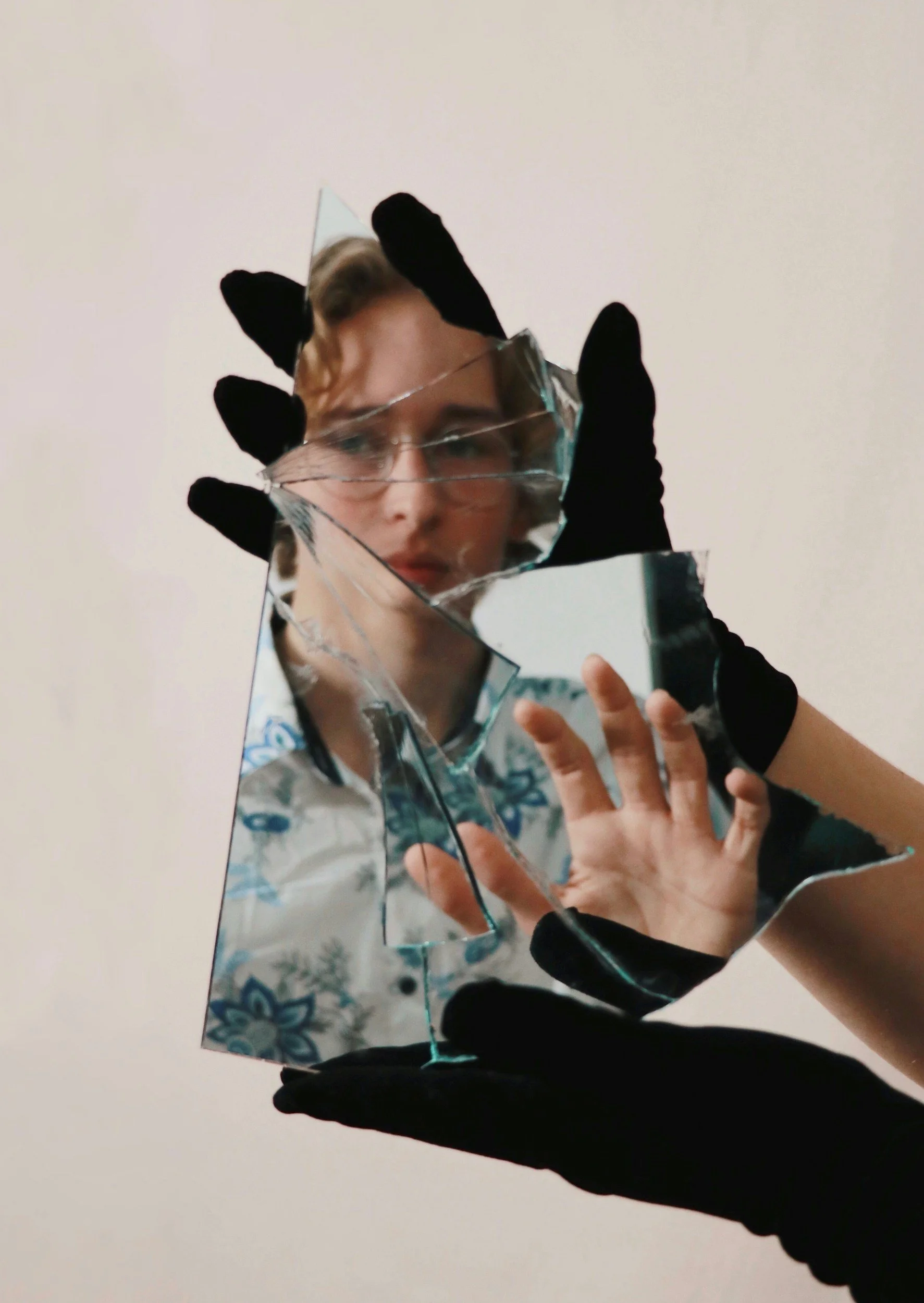
Why Instagram Has Such a Strong Effect on Body Image
Instagram is built around images, visibility, and feedback. Users do not just see beauty standards; they also see which appearances are rewarded with likes, comments, followers, sponsorships, and attention. This can make beauty feel measurable.
According to the U.S. Surgeon General’s Advisory on Social Media and Youth Mental Health, social media can expose young people to content that negatively affects body image, and adolescents may be especially sensitive to social feedback and peer pressure during key developmental years. The advisory also emphasizes that social media is not proven to be sufficiently safe for children and teens.
On Instagram, beauty standards can affect body image through several overlapping forces:
1. Social Comparison
One of the biggest ways Instagram affects body image is through comparison. Users compare their face, body, skin, clothes, lifestyle, fitness level, and popularity to people they see online. The problem is that many Instagram images are curated, edited, posed, filtered, or professionally produced.
A 2024 study published in Clinical Neuropsychiatry found that problematic Instagram use was linked to body-image investment through Instagram-based social comparison and the desire to conceal perceived body flaws. In other words, the more users compared themselves on Instagram, the more likely they were to focus on hiding or fixing parts of their appearance.
This creates a cycle: users see idealized images, compare themselves, feel worse about their appearance, and may then try to edit, pose, or present themselves in a more “acceptable” way online.
2. Filters and Edited Photos
Instagram filters, beauty apps, lighting tricks, and photo editing tools can make unrealistic appearances look normal. Smooth skin, smaller waists, fuller lips, sharper jawlines, bigger eyes, and altered body proportions are often presented without disclosure.
This matters because repeated exposure to edited images can shift what people think is normal or desirable. Over time, users may begin comparing their real bodies to digitally altered bodies. That comparison is unfair, but it can still feel emotionally real.
A systematic review published in Journal of Psychosocial Nursing and Mental Health Services found that intensive or problematic social media use was associated with body dissatisfaction, low self-esteem, risky behaviors, and eating disorder-related concerns among adolescents and young adults.
3. Influencer Culture and “Perfect” Lifestyles
Instagram influencers often shape beauty standards by promoting specific body types, skin-care routines, diets, fitness plans, clothing styles, cosmetic procedures, and wellness habits. Even when the content appears casual, it is often carefully staged.
This can make beauty feel like a personal responsibility: if someone does not look like the people they follow, they may feel they are not trying hard enough. That pressure can be especially harmful when beauty content is tied to discipline, success, desirability, popularity, or moral worth.
The issue is not that all influencer content is harmful. Some creators promote body neutrality, self-acceptance, disability visibility, racial diversity, and realistic beauty. But when a user’s feed is dominated by narrow beauty ideals, Instagram can make those ideals feel universal.
4. Algorithmic Reinforcement
Instagram does not show users random content. Its recommendation systems learn from what users watch, like, pause on, search, and engage with. This means someone who interacts with beauty, fitness, dieting, or appearance-related content may be shown more of it.
A 2026 systematic review and meta-analysis in Adolescent Research Review found a significant association between higher social media engagement and greater body image concerns and eating disorder symptoms among adolescents. The review also found that the association was stronger in studies focused specifically on Instagram than in studies looking at social media overall.
That finding is important because Instagram’s visual format may intensify appearance comparison more than less image-centered platforms.
5. Likes, Comments, and Online Validation
Instagram can also affect body image by turning appearance into a public performance. A photo that gets many likes may feel like proof of attractiveness, while a post that gets little engagement may feel like rejection.
For teens, this feedback can be especially powerful. Pew Research Center’s recent work on teens and social media shows that teens often describe social platforms as spaces for connection and entertainment, but also report concerns about screen time, cyberbullying, and mental health impacts.
When appearance-based posts receive the most attention, users may learn that looking a certain way is the easiest path to approval. That can increase pressure to edit photos, avoid posting unfiltered images, or judge self-worth through online reactions.
6. Body Shaming and Private Conversations
Instagram beauty standards do not only appear in public posts. They also show up in direct messages, group chats, comments, and private peer conversations.
A 2025 study on teen Instagram direct messages analyzed body image and body-shaming conversations among teens. The researchers found that one-on-one conversations could include support around negative body image, while group settings were more likely to involve body shaming or negative interactions.
This shows that Instagram’s impact on body image is not only about influencers or ads. Peer conversations can also reinforce beauty standards, shame, comparison, or support.
7. Diet, Fitness, and “Body Goals” Content
Fitness and wellness content can be motivating for some users, but it can also become harmful when it promotes extreme dieting, unrealistic body transformations, excessive exercise, or the idea that health must look a certain way.
Body-focused content can blur the line between inspiration and pressure. For someone already struggling with body dissatisfaction, repeated exposure to “body goals,” calorie tracking, weight-loss transformations, or “what I eat in a day” content may intensify negative self-evaluation.
The U.S. Surgeon General’s advisory notes that social media can contribute to body dissatisfaction and disordered eating behaviors, especially when young people are exposed to appearance-focused or harmful content.
Who Is Most Affected?
Instagram beauty standards can affect anyone, but some groups may be more vulnerable, including:
Teens and young adults
Girls and young women
People with existing body image concerns
People with eating disorder symptoms or histories
LGBTQ+ youth
Users who spend a lot of time on appearance-focused content
Users who frequently compare themselves to influencers, celebrities, or peers
The 2026 meta-analysis in Adolescent Research Review found stronger associations between social media use and body image outcomes in studies with higher percentages of female participants and in Instagram-specific studies.
Can Instagram Ever Help Body Image?
Yes, Instagram can also support healthier body image when users follow diverse, realistic, and body-positive accounts. Some communities promote body neutrality, recovery, self-acceptance, mental health awareness, disability representation, and more inclusive beauty standards.
The key difference is the type of content users see and how they engage with it. A feed full of edited, appearance-focused content may increase comparison. A feed with diverse bodies, realistic images, and supportive messages may reduce shame and help users feel less alone.
The U.S. Surgeon General’s advisory also recognizes that social media can provide benefits, including connection, identity exploration, and support, particularly for marginalized youth. But those benefits must be balanced against risks.
How to Reduce the Negative Effects of Instagram Beauty Standards
Users can protect their body image by being more intentional about how they use Instagram.
A healthier Instagram experience may include unfollowing accounts that trigger comparison, muting beauty or fitness content that causes shame, following creators with diverse body types, limiting time spent scrolling, avoiding appearance-based self-judgment, and remembering that many images are edited or staged.
Parents, schools, and platforms also play a role. Media literacy can help young people understand how filters, algorithms, advertising, and influencer marketing shape what they see. Platform design matters too, especially when recommendation systems repeatedly push appearance-focused content to vulnerable users.
Why Instagram’s “Perfect Face” Trend Is Changing How People See Themselves
Instagram beauty standards affect body image by making idealized appearances feel normal, measurable, and socially rewarded. Through filters, influencers, likes, comments, ads, peer conversations, and algorithmic feeds, Instagram can intensify comparison and make users feel pressure to look “perfect.”
The strongest research does not suggest that Instagram affects every person in the same way. Instead, the impact depends on who is using it, what content they see, how often they use it, and whether they are already vulnerable to body image concerns. Still, the evidence shows a clear connection between appearance-focused social media use and body dissatisfaction, especially among adolescents and young women.
A better relationship with Instagram starts with recognizing that the beauty standards shown online are often edited, selective, and commercially driven. Real bodies are more diverse than Instagram’s most polished posts suggest.
